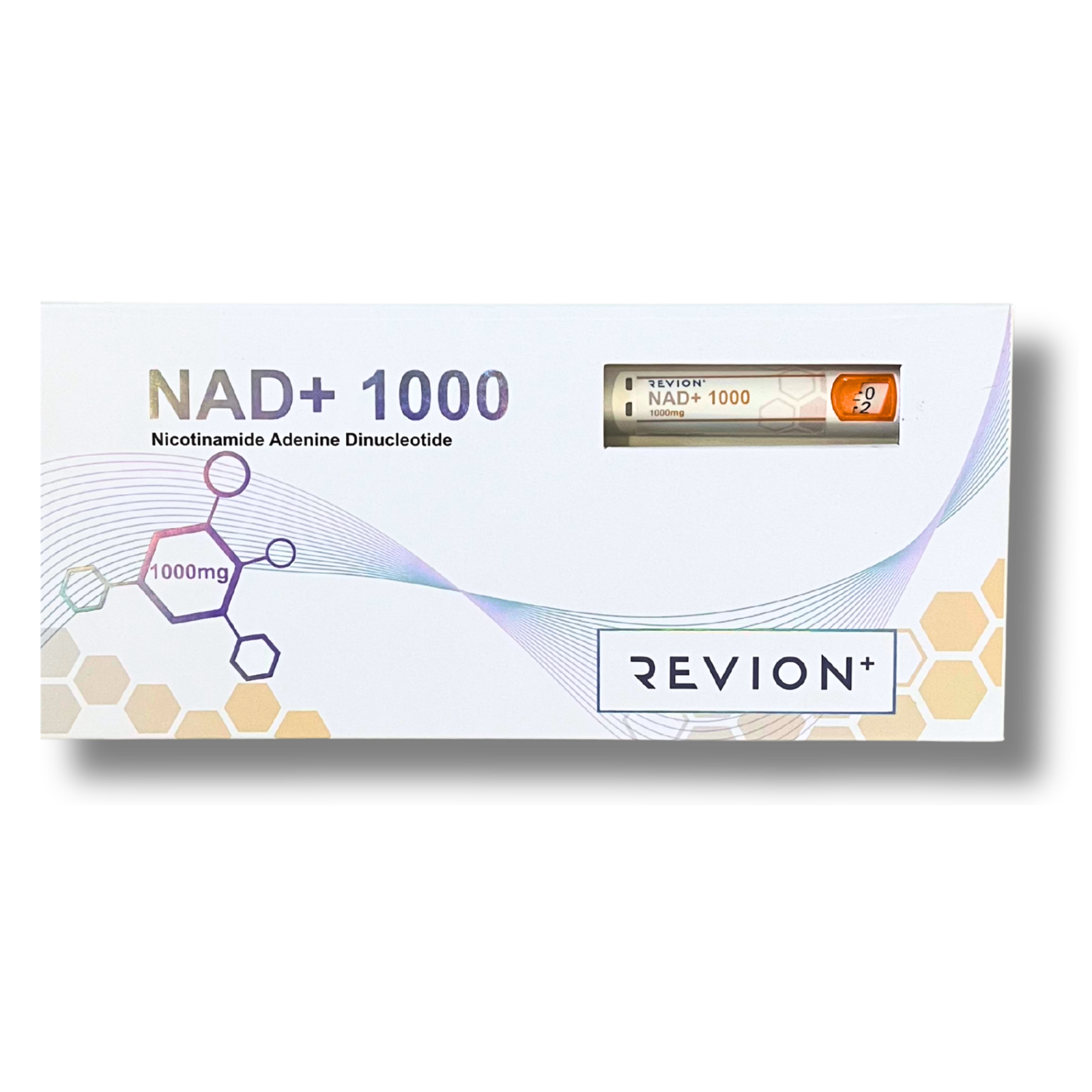
Revion NAD+ Pen 1000mg
The Revion NAD+ Pen 1000mg is a high-capacity Nicotinamide Adenine Dinucleotide (NAD+) research solution engineered for advanced laboratory assays in cellular bioenergetics, mitochondrial function, and sirtuin pathway activation. Formulated for high concentration requirements, this pre-measured 1000mg multi-dose device delivers maximum compound stability and precise volumetric control across continuous scientific testing cycles.
Revion NAD+ Pen 1000mg Technical Specifications
| Parameter | Specification |
| Brand / Line | Revion / Revion+ Series |
| Active Compound | Nicotinamide Adenine Dinucleotide (NAD+ / Coenzyme I) |
| Total Concentration | 1000mg |
| Delivery System | Precision multi-dose click pen device |
| Purity Grade | ≥ 98.5% (HPLC & Mass Spectrometry Verified) |
| Primary Research Focus | Cellular Metabolism, Mitochondrial Health & DNA Repair Pathways |
| Storage Temperature | Refrigerated (2°C – 8°C) / Protect from light |
Revion NAD+ Pen Price & Laboratory Purchasing
We maintain direct and competitive Revion NAD+ pen price structures across single-unit purchases and bulk institutional research orders.
-
Standard Unit Price: View live stock availability and current single-pen pricing in the ordering block above.
-
Tiered Bulk Discounts: Quantity-based price breaks are automatically applied at checkout for multi-unit lab acquisitions.
-
Analytical COA Documentation: Every Revion NAD+ Pen 1000mg package includes batch-specific analytical certificates verifying purity and compound density.
Cellular Bioenergetics Research & Storage Protocols
Coenzyme Research Applications
Nicotinamide Adenine Dinucleotide plays a pivotal role in redox reactions, cellular energy production (ATP synthesis), and serving as a key substrate for NAD+-dependent enzymes such as PARPs and sirtuins. The high-dose 1000mg payload provides researchers with extended testing utility without frequent device replacements.
Handling & Temperature Stability
Store the Revion NAD+ Pen 1000mg under refrigerated conditions (2°C – 8°C). Maintain the container sealed and protected from ambient light exposure and temperatures exceeding 25°C to prevent hydrolysis or structural degradation.