
Peptide Reconstitution & Syringe Dosage Guide
Peptide reconstitution is the clinical process of mixing lyophilized (freeze-dried) peptide powder with a sterile diluent, almost exclusively bacteriostatic water, to prepare it for subcutaneous administration. By dividing the total milligrams in the vial by the volume of added water, researchers can determine the exact concentration and calculate precise dosage units using a standard U-100 insulin syringe.
Welcome to the definitive guide for peptide preparation. Whether you are working with Retatrutide, Tirzepatide, or baseline metabolic peptides, absolute precision during the reconstitution phase is non-negotiable. An incorrect calculation or improper handling can degrade delicate peptide bonds, resulting in compromised research data and ineffective protocols.
Our commitment to E-E-A-T (Experience, Expertise, Authoritativeness, and Trustworthiness) means providing you with the exact clinical frameworks used in advanced laboratory settings. This guide covers the mathematical formulas, step-by-step sterile mixing protocols, and how to accurately read syringe measurements.
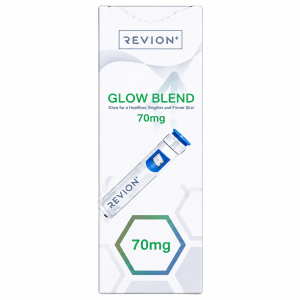
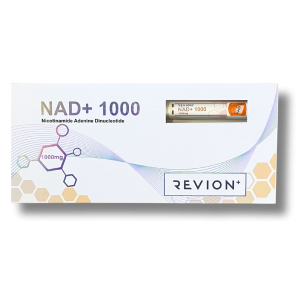
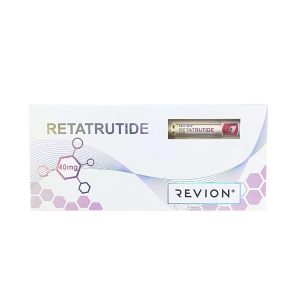
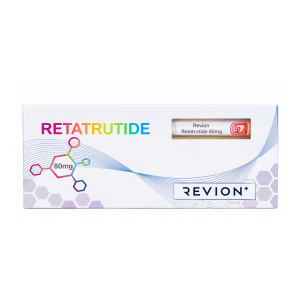
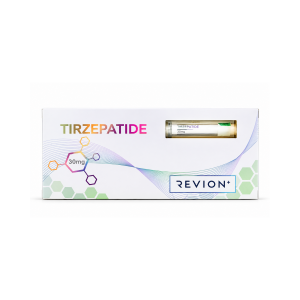
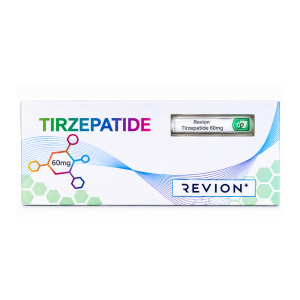
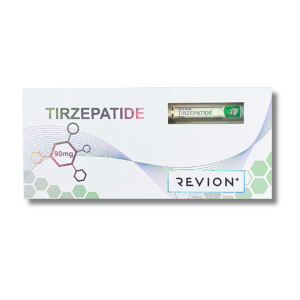
Peptide Supplies – Reconstitution Kits, Bacteriostatic Water & Syringes
Core Components: Lyophilized Peptides & Bacteriostatic Water
Research peptides are shipped in a lyophilized (freeze-dried) state to maintain structural integrity and shelf life. To utilize them, they must be returned to a liquid state.
Bacteriostatic water (BAC water) is the universal standard for peptide reconstitution. Unlike standard sterile water, BAC water contains 0.9% benzyl alcohol, which acts as a preservative to prevent bacterial growth. This allows the reconstituted peptide vial to be safely drawn from multiple times over a 28-day period when properly refrigerated.
Peptide Reconstitution Supplies UK – Everything Your Laboratory Needs
⚠️ Research Notice: All products sold on Retatrutide Pen are strictly for in-vitro research and laboratory purposes only. They are not intended for human or veterinary consumption.
Step-by-Step Reconstitution Protocol
Handling peptides requires a sterile environment. Shaking the vial or blasting the fragile powder directly with water can fracture the peptide chains and ruin the compound. Follow this exact clinical protocol:
Prepare Your Workspace: Wash your hands thoroughly and assemble your materials (peptide vial, bacteriostatic water, alcohol swabs, and a sterile syringe).
Sterilize the Stoppers: Wipe the rubber stoppers of both the bacteriostatic water and the peptide vial with an alcohol swab. Let them air dry completely.
Draw the Bacteriostatic Water: Pull your calculated volume of BAC water into the syringe.
Inject Down the Wall: Insert the needle into the peptide vial at a slight angle. Slowly push the plunger so the water streams down the inside glass wall of the vial rather than splashing directly onto the delicate powder. This prevents foaming and structural damage.
Swirl, Never Shake: Remove the syringe. Gently roll or swirl the vial between your fingers until the solution is completely clear and colorless. Do not shake the vial.
Refrigerate Immediately: Write the mixing date on the vial and immediately store it in a refrigerator at 2°C to 8°C (36°F to 46°F).
Peptide Dosage & Syringe Calculator Guide
Standard insulin syringes use the U-100 scale, meaning 100 units equals exactly 1 milliliter (1 mL) of liquid. Every 1 unit on the syringe represents 0.01 mL.
To calculate your dose, you must first determine the concentration of your vial by dividing the peptide milligrams by the milliliters of water added.
Bacteriostatic Water UK
Product | Volume | Preservative | Best For | UK Stock |
|---|---|---|---|---|
Bacteriostatic Water | 10ml vial | 0.9% Benzyl Alcohol | Single vial reconstitution | ✅ In Stock |
Bacteriostatic Water | 30ml vial | 0.9% Benzyl Alcohol | Multi-vial reconstitution / bulk protocols | ✅ In Stock |
Bacteriostatic Water | 50ml vial | 0.9% Benzyl Alcohol | High-throughput laboratory use | ✅ In Stock |
Insulin Syringes UK
Syringe Type | Volume | Needle Gauge | Needle Length | Units | Best For |
|---|---|---|---|---|---|
Ultra-Fine Insulin Syringe | 0.3ml | 30G | 8mm | 30 units | Micro-dose dispensing (<0.3ml) |
Ultra-Fine Insulin Syringe | 0.5ml | 30G | 8mm | 50 units | Standard reconstitution doses |
Ultra-Fine Insulin Syringe | 1.0ml | 29G | 12.7mm | 100 units | Larger volume aspiration |
Luer-Lock Syringe | 3.0ml | 21G | 40mm | N/A | Bacteriostatic water drawing / mixing |
Alcohol Prep Pads & Sterile Swabs
- The rubber stopper of lyophilised peptide vials
- The rubber stopper of bacteriostatic water vials
- The needle hub before attachment
- The laboratory work surface before preparation
Product | Quantity | Alcohol Concentration | Packaging |
|---|---|---|---|
Alcohol Prep Pads | 100 pack | 70% Isopropyl | Individually sealed |
Alcohol Prep Pads | 200 pack | 70% Isopropyl | Individually sealed |
Sterile Gauze Swabs | 50 pack | N/A | Sterile peel-pack |
Sterile Mixing Vials & Accessories
Product | Volume | Material | Sterility | Best For |
|---|---|---|---|---|
Sterile Mixing Vial | 3ml | Borosilicate Glass | Sterile, sealed | Single-dose aliquoting |
Sterile Mixing Vial | 5ml | Borosilicate Glass | Sterile, sealed | Multi-dose working solutions |
Sterile Mixing Vial | 10ml | Borosilicate Glass | Sterile, sealed | Bulk reconstitution |
Rubber Stoppers | 20mm | Medical-grade silicone | Sterile | Vial resealing |
Aluminium Flip-Off Seals | 20mm | Anodised aluminium | N/A | Vial security sealing |
Complete Reconstitution Kits
Kit | Contents | Best For | UK Stock |
|---|---|---|---|
Basic Reconstitution Kit | 1x Bacteriostatic Water (10ml), 5x Insulin Syringes (1ml), 10x Alcohol Pads | Single vial reconstitution | ✅ In Stock |
Advanced Reconstitution Kit | 2x Bacteriostatic Water (30ml), 10x Insulin Syringes (1ml), 20x Alcohol Pads, 3x Mixing Vials (5ml) | Multi-vial protocols | ✅ In Stock |
Laboratory Reconstitution Kit | 3x Bacteriostatic Water (50ml), 20x Insulin Syringes (mixed), 50x Alcohol Pads, 5x Mixing Vials (mixed), Rubber Stoppers, Flip-Off Seals | High-throughput laboratory use | ✅ In Stock |
Retatrutide Reconstitution & Concentration Chart
The table below illustrates the resulting concentration and required syringe draw for a standard 2mg dose based on common vial sizes mixed with 2mL of bacteriostatic water.
| Vial Size (mg) | BAC Water Added | Concentration (mg/mL) | U-100 Units for a 2mg Dose |
|---|---|---|---|
| 5mg Vial | 2.0 mL | 2.5 mg/mL | 80 Units (0.8 mL) |
| 10mg Vial | 2.0 mL | 5.0 mg/mL | 40 Units (0.4 mL) |
| 20mg Vial | 2.0 mL | 10.0 mg/mL | 20 Units (0.2 mL) |
| 30mg Vial | 3.0 mL | 10.0 mg/mL | 20 Units (0.2 mL) |
| 40mg Vial | 4.0 mL | 10.0 mg/mL | 20 Units (0.2 mL) |
Disclaimer: This chart is for educational and laboratory calculation purposes only. Individual clinical protocols vary, and independent researchers must verify their own dosing mathematics.
Peptide Storage & Stability Guidelines
State | Storage Temperature | Maximum Stability | Notes |
|---|---|---|---|
Lyophilised (Powder) | -20°C (Freezer) | Up to 24 months | Protect from light and moisture |
Reconstituted (Solution) | 2°C to 8°C (Fridge) | 14–30 days (varies by compound) | Do not freeze. Avoid repeated temperature cycling |
Pre-filled Pen (Aqueous) | 2°C to 8°C (Fridge) | Per manufacturer COA | Do not freeze. Keep upright |
- Never expose reconstituted peptides to temperatures above 25°C
- Protect all vials and pens from direct UV light and fluorescent lighting
- Avoid repeated freeze-thaw cycles for lyophilised compounds
- Always use a dedicated laboratory thermometer to verify refrigerator temperature
- Discard any solution that appears cloudy, discoloured, or contains visible particulates
Frequently Asked Questions (FAQ)
The core formula is: Target Dose (mg) ÷ Concentration (mg/mL) = Injection Volume (mL). To convert that volume to syringe units, multiply the mL result by 100.
On a standard U-100 insulin syringe, 40 units is exactly 0.4 mL. Because the U-100 scale dictates that 100 units equal 1 mL, you simply move the decimal point two places to the left to find the milliliter equivalent.
Bacteriostatic water is a sterile aqueous solution containing 0.9% benzyl alcohol as a preservative. It is used to dissolve lyophilised (freeze-dried) peptides into a liquid solution for research dispensing. Unlike sterile water, it contains a preservative that inhibits bacterial growth, allowing multiple safe draws from a single vial over several days.
Sterile water for injection contains no preservative and is intended for single-use only. If you reconstitute a peptide with sterile water, the entire vial must be used immediately (typically within 24 to 48 hours), as it becomes highly susceptible to bacterial contamination after the first puncture. Any remaining solution must be discarded. Bacteriostatic water is strongly preferred for multi-dose research protocols.
Once mixed with bacteriostatic water and stored in a refrigerator (2°C to 8°C), most research peptides, including Retatrutide, maintain optimal stability for roughly 28 days. After this period, the peptide begins to slowly degrade and lose its potency.
Unopened bacteriostatic water should be stored at room temperature (15°C to 25°C), away from direct sunlight. Once opened, the vial should be stored in a refrigerator at 2°C to 8°C and used within 28 days. Do not freeze.
A properly reconstituted peptide should be crystal clear and colorless. If the solution is cloudy, hazy, or contains floating particles, it has either degraded, been mixed with the wrong diluent, or the vial has been compromised. Do not use a cloudy peptide solution.
For drawing bacteriostatic water from a vial, a 3ml Luer-Lock syringe with a 21G needle is recommended. For dispensing reconstituted peptide in micro-dose increments, a 0.3ml, 0.5ml, or 1.0ml ultra-fine insulin syringe (29G–30G) is appropriate, depending on the volume required.
A single 30ml vial of bacteriostatic water can typically reconstitute three to six standard peptide vials, depending on the volume required per reconstitution. Always use a fresh, sterile needle for each draw to maintain sterility.
Yes. Our bacteriostatic water, syringes, and mixing vials are compatible with all lyophilised peptides in our catalogue, including retatrutide, tirzepatide, semaglutide, and BPC-157.
Yes. All insulin syringes, bacteriostatic water, and mixing vials sold by Retatrutide Pen are sourced from CE-marked, medical-grade manufacturers. Every item is individually sealed in sterile packaging and quality-checked before dispatch.
Bacteriostatic water is available both as a standalone product (10ml, 30ml, and 50ml vials) and as part of our pre-assembled Reconstitution Kits. You can purchase individual items or complete kits depending on your laboratory requirements.
Yes. We offer volume discounts for laboratories purchasing supplies in bulk. Contact our scientific liaison team for institutional pricing on orders of 20 units or more.
→ Contact Us for Bulk Supply Pricing
Yes. All peptide supplies are stocked in our UK warehouse and qualify for next-day tracked delivery when ordered before 2:00 PM GMT. Supplies are shipped in plain, discreet packaging.