
The Ultimate Peptide Comparison: Semaglutide, Tirzepatide & Retatrutide
The ultimate peptide comparison comes down to receptor activation. Semaglutide is a single-agonist targeting GLP-1. Tirzepatide is a dual-agonist targeting GLP-1 and GIP. Retatrutide is a breakthrough triple-agonist targeting GLP-1, GIP, and GCGR, currently demonstrating the highest synergistic metabolic response and energy expenditure in clinical research.
Welcome to our clinical reference guide. Navigating the rapidly advancing landscape of metabolic peptides requires a precise understanding of receptor mechanisms. Over the past decade, research has aggressively shifted from baseline glycemic control to comprehensive metabolic regulation, making the selection of the correct compound critical to the integrity of your clinical protocols.
Our commitment to E-E-A-T (Experience, Expertise, Authoritativeness, and Trustworthiness) ensures that researchers are equipped with the most accurate, data-driven insights. Below, we break down the generational evolution of these compounds to help you determine which peptide aligns with your specific metabolic observation goals.
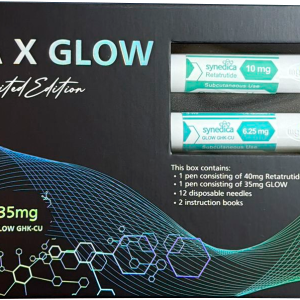
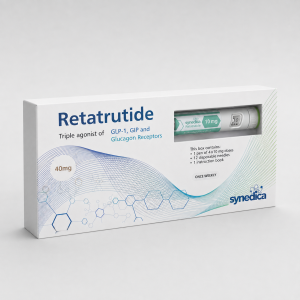
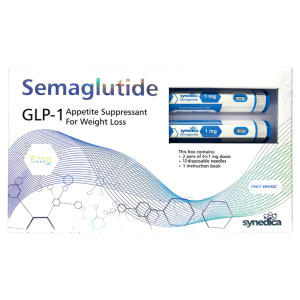
Retatrutide vs Tirzepatide vs Semaglutide – The Ultimate Peptide Comparison Guide
Retatrutide, tirzepatide, and semaglutide represent three distinct generations of incretin-based research peptides. Semaglutide is a single GLP-1 agonist, tirzepatide is a dual GLP-1/GIP agonist, and retatrutide is a first-in-class triple GLP-1/GIP/GCG agonist. In comparative research models, retatrutide demonstrates superior effects on hepatic lipid metabolism and energy expenditure, tirzepatide shows enhanced adipose tissue modulation, and semaglutide remains the foundational baseline for single-pathway metabolic assays.
The Definitive Comparison: Three Generations of Metabolic Research Peptides
⚠️ Research Notice: The following information is provided for educational and scientific context only. All three compounds discussed are investigational or licensed for specific medical indications. Products sold by Retatrutide Pen are strictly for in-vitro laboratory and research purposes. They are not intended for human consumption.
The Evolution of Metabolic Agonists
The core difference between these peptides lies in how many hormonal pathways they simultaneously engage. As researchers have developed compounds that target more receptors, the resulting metabolic efficacy—particularly regarding lipid metabolism and weight management—has scaled significantly.
Generation 1: Semaglutide (Single-Agonist)
The foundational compound of modern metabolic research. Utilizing a standard semaglutide 5mg formulation, this peptide strictly targets the Glucagon-like peptide-1 (GLP-1) receptor.
Mechanism: Delays gastric emptying and signals satiety to the brain.
Clinical Profile: Excellent baseline for observing appetite suppression and glucose-dependent insulin secretion, though isolated GLP-1 activation carries a higher rate of initial gastrointestinal nausea.
Generation 2: Tirzepatide (Dual-Agonist)
The next evolution in metabolic science. A standard tirzepatide 40mg research kit engages both GLP-1 and Glucose-dependent insulinotropic polypeptide (GIP).
Mechanism: GIP works synergistically with GLP-1 to enhance insulin sensitivity and regulate fat accumulation.
Clinical Profile: Offers superior metabolic regulation compared to Semaglutide. For researchers sourcing tirzepatide peptide uk supplies, this dual-action heavily mitigates the nausea associated with GLP-1 while driving higher overall efficacy.
Generation 3: Retatrutide (Triple-Agonist)
The apex investigational compound. Retatrutide engages GLP-1, GIP, and the Glucagon receptor (GCGR).
Mechanism: While GLP-1 and GIP suppress appetite and regulate insulin, the addition of the GCGR receptor actively stimulates hepatic lipid metabolism (clearing fat from the liver) and increases basal energy expenditure.
Clinical Profile: Forces the body to burn stored energy at an accelerated rate, demonstrating unprecedented metabolic shifts in Phase 2 clinical trials.
Comprehensive Peptide Comparison Chart
To assist in designing your research protocols, use this clinical data table to compare the mechanisms, targets, and standard clinical trial limits of the three leading peptides.
| Peptide Name | Agonist Class | Targeted Receptors | Primary Research Focus | Max Clinical Trial Dose |
|---|---|---|---|---|
| Semaglutide | Single-Agonist | GLP-1 | Baseline glycemic control & satiety observation. | 2.4 mg (Weekly) |
| Tirzepatide | Dual-Agonist | GLP-1, GIP | Advanced glycemic regulation & synergistic lipid tracking. | 15.0 mg (Weekly) |
| Retatrutide | Triple-Agonist | GLP-1, GIP, GCGR | Maximum energy expenditure & hepatic fat reduction. | 12.0 mg (Weekly) |
Mechanism of Action: Receptor Target Comparison
Receptor Pathway | Semaglutide | Tirzepatide | Retatrutide |
|---|---|---|---|
GLP-1 (Glucagon-Like Peptide-1) | ✅ Primary Agonist | ✅ Primary Agonist | ✅ Primary Agonist |
GIP (Glucose-Dependent Insulinotropic Polypeptide) | ❌ No Activity | ✅ Primary Agonist | ✅ Primary Agonist |
GCG (Glucagon) | ❌ No Activity | ❌ No Activity | ✅ Primary Agonist |
Generation | 1st (Single Agonist) | 2nd (Dual Agonist) | 3rd (Triple Agonist) |
Molecular Basis | 31-amino acid analogue with C-18 fatty diacid | 39-amino acid analogue with C-20 fatty diacid | 39-amino acid analogue with triple-receptor optimisation |
DPP-4 Resistance | Engineered resistance | Engineered resistance | Engineered resistance |
Sourcing the Right Peptide for Your Protocol
Disclaimer: The products discussed are strictly for in vitro laboratory research and analytical observation unless prescribed by a licensed medical professional.
When selecting a peptide, researchers must align the compound’s mechanism with the specific goals of the study.
For Baseline Studies: A semaglutide 5mg vial provides an economical and well-documented baseline for entry-level GLP-1 research.
For Advanced Protocols: A tirzepatide 40mg kit is ideal for mid-phase studies requiring higher tolerance and dual-receptor observation.
For Peak Efficacy Analysis: Retatrutide remains the ultimate choice for longitudinal studies focused on maximum metabolic transformation and NAFLD (non-alcoholic fatty liver disease) markers.
All peptides supplied through our platform undergo strict third-party High-Performance Liquid Chromatography (HPLC) testing to ensure >99% purity and absolute cold-chain stability.
Understanding the Receptor Synergies
Pharmacokinetics: Head-to-Head Comparison
Pharmacokinetic Parameter | Semaglutide | Tirzepatide | Retatrutide (LY3437943) |
|---|---|---|---|
Molecular Formula | C₁₈₇H₂₉₁N₄₅O₅₉ | C₂₂₅H₃₄₈N₄₈O₆₈ | C₁₈₇H₂₉₅N₅₃O₅₈ |
Molecular Weight | ~4113.6 g/mol | ~4813.5 g/mol | ~4113.8 g/mol |
Amino Acid Sequence | 31 amino acids | 39 amino acids | 39 amino acids |
Half-Life (t½) | ~7 days | ~5 days | ~6 days |
Dosing Frequency (Research Models) | Once weekly | Once weekly | Once weekly |
Administration Route | Subcutaneous (SC) | Subcutaneous (SC) | Subcutaneous (SC) |
Receptor Binding Affinity (IC50) | GLP-1: 0.06 nM | GLP-1: 0.05 nM / GIP: 0.14 nM | GLP-1: 0.06 nM / GIP: 0.24 nM / GCG: 1.2 nM |
Peak Plasma Time (Tmax) | 1–3 days | 8–72 hours | 1–3 days |
Primary Elimination | Proteolytic cleavage / beta-oxidation | Proteolytic cleavage / beta-oxidation | Proteolytic cleavage / beta-oxidation |
Clinical Trial Context: The Data Landscape
Semaglutide: The SUSTAIN & SELECT Trials
Tirzepatide: The SURMOUNT & SURPASS Trials
Retatrutide: The TRIUMPH Trials (Phase 2 & 3)
Trial Programme | Compound | Phase | Primary Focus | Status |
|---|---|---|---|---|
SUSTAIN / SELECT | Semaglutide | Phase 3 / Post-Market | Glycaemic control, CV risk | Approved & Ongoing |
SURMOUNT / SURPASS | Tirzepatide | Phase 3 / Post-Market | Adipose reduction, glycaemic control | Approved & Ongoing |
TRIUMPH / TRIUMPH-Outcomes | Retatrutide | Phase 2 / Phase 3 | Hepatic lipid, energy expenditure, CV/renal | Ongoing (Phase 3) |
Research Applications by Compound
Research Application | Best Compound | Rationale |
|---|---|---|
Single-Pathway Baseline Assays | Semaglutide | Pure GLP-1 agonism provides a clean, single-variable baseline. |
Dual-Pathway Synergism Studies | Tirzepatide | GLP-1/GIP combination allows study of incretin synergism without glucagon confounders. |
Hepatic Lipid Metabolism | Retatrutide | GCG receptor agonism directly stimulates hepatic lipid oxidation and energy expenditure. |
Energy Expenditure / BMR Studies | Retatrutide | Glucagon pathway increases basal metabolic rate, unique among the three compounds. |
Adipose Tissue Browning | Tirzepatide / Retatrutide | GIP agonism influences white-to-brown adipose conversion. |
GPCR Desensitisation Studies | All Three | Compare single vs dual vs triple receptor downregulation over chronic exposure. |
Receptor Binding Affinity Assays | All Three | IC50 values available for all three receptor targets. |
Cardiovascular Risk Modelling | Semaglutide / Retatrutide | Extensive CV data available; retatrutide Phase 3 ongoing. |
Gastrointestinal Motility Studies | Semaglutide | Gastric emptying delay is most pronounced with pure GLP-1 agonism. |
Which Compound Should Your Laboratory Source?
If your research focuses on… | Source this compound | Available Format at Retatrutide Pen |
|---|---|---|
Establishing a GLP-1 baseline for comparative studies | Semaglutide | 5mg Lyophilised Vial |
Studying dual incretin synergism (GLP-1 + GIP) | Tirzepatide | 40mg Lyophilised Vial |
Investigating hepatic lipid metabolism or energy expenditure | Retatrutide | 20mg / 40mg / 60mg Pens & Vials |
Comparing single vs dual vs triple agonist pathways | All Three | Full range available |
Receptor desensitisation over chronic exposure | All Three | Full range available |
Peptide stability and reconstitution protocols | All Three | Full range + Reconstitution Supplies |
Preclinical Side-Effect Profiles in Research Models
Observed Effect (Research Models) | Semaglutide | Tirzepatide | Retatrutide |
|---|---|---|---|
Nausea / GI Distress | Moderate (GLP-1 driven) | Low-Moderate (GIP mitigates) | Low-Moderate (GIP + GCG balance) |
Heart Rate Elevation | Mild increase observed | Mild increase observed | Mild increase observed |
Hepatic Lipid Reduction | Minimal | Moderate | Significant (GCG-driven) |
Energy Expenditure Increase | Minimal | Low | Moderate to Significant (GCG-driven) |
Appetite Suppression | Strong (GLP-1 central) | Strong (GLP-1 + GIP) | Strong (Triple-pathway) |
Muscle Mass Preservation | Variable | Moderate | Under active investigation |
Injection Site Reactions | Rare | Rare | Rare |
Molecular Structure Comparison
Structural Feature | Semaglutide | Tirzepatide | Retatrutide |
|---|---|---|---|
Base Sequence | GLP-1 analogue (31 aa) | GIP/GLP-1 hybrid (39 aa) | GIP/GLP-1/GCG hybrid (39 aa) |
Fatty Acid Chain | C-18 fatty diacid | C-20 fatty diacid | C-20 fatty diacid (modified) |
Key Amino Acid Substitutions | Aib at position 8, C-18 at Lys26 | Multiple substitutions for dual affinity | Triple-optimised substitutions |
DPP-4 Resistance Mechanism | Aib substitution at position 8 | Aib substitution at position 8 | Aib substitution at position 8 |
PEG Linker | None (direct fatty acid) | None (direct fatty acid) | None (direct fatty acid) |
Synthesis Method | Solid-phase peptide synthesis (SPPS) | SPPS + ligation | SPPS + ligation |
Frequently Asked Questions (FAQ)
The primary difference is the number of receptor targets. Semaglutide is a single GLP-1 agonist. Tirzepatide is a dual GLP-1/GIP agonist. Retatrutide is a triple GLP-1/GIP/GCG (glucagon) agonist. This “triple G” effect refers to the simultaneous agonism of these three G-protein-coupled receptors. Each additional target introduces new metabolic pathways, with the GCG pathway in retatrutide specifically responsible for hepatic energy expenditure and lipid oxidation, producing synergistic metabolic effects that exceed the sum of individual receptor activations.
In terms of total body mass reduction, published Phase 2 data shows retatrutide demonstrates the highest percentage of weight loss over a 48-week period, outpacing both tirzepatide and semaglutide due to the added glucagon (GCG) energy expenditure pathway. It also shows superior effects on hepatic lipid reduction. However, “stronger” is context-dependent: semaglutide is appropriate for single-pathway GLP-1 studies, tirzepatide is the standard for dual-pathway synergism, and retatrutide is the premier option for triple-pathway metabolic research.
Retatrutide is the most effective compound for hepatic lipid metabolism research. The glucagon (GCG) receptor pathway directly stimulates hepatic lipid oxidation and energy expenditure—a mechanism entirely absent in semaglutide and tirzepatide. Phase 2 TRIUMPH data demonstrated near-complete resolution of liver fat in research models.
Semaglutide has the longest half-life at approximately 7 days. Retatrutide follows at approximately 6 days, and tirzepatide has the shortest of the three at approximately 5 days. Despite these differences, all three support once-weekly dosing protocols in research models.
Clinical data suggests that the activation of the GIP receptor in tirzepatide acts as a buffer against the nausea commonly triggered by isolated GLP-1 receptor activation (as seen with semaglutide). This synergistic effect allows researchers to administer higher effective doses with lower rates of gastrointestinal adverse events.
Stacking metabolic peptides like tirzepatide and semaglutide is strictly avoided in clinical and research settings. Because they compete for the exact same GLP-1 receptors, combining them offers no synergistic benefit and exponentially increases the risk of severe side effects like pancreatitis and hypoglycemia. While multi-compound studies (e.g., adding ancillary peptides like BPC-157 to study specific interactions) are a valid research methodology, they require careful experimental design, appropriate controls, and institutional ethical approval.
They are not interchangeable mid-study. Swapping peptides will corrupt analytical data because they target different biological receptors. If a protocol requires transitioning a subject from a single- to a dual- or triple-agonist, a new titration schedule (starting at the lowest baseline dose) must be initiated to prevent acute gastrointestinal distress. However, semaglutide can be intentionally used as an ideal single-pathway control compound at the design stage of a retatrutide study to isolate the specific contributions of the GIP and GCG pathways to the observed metabolic effects.
Semaglutide has a molecular weight of approximately 4113.6 g/mol (31 amino acids). Tirzepatide is approximately 4813.5 g/mol (39 amino acids). Retatrutide is approximately 4113.8 g/mol (39 amino acids). These values are critical for researchers calculating molarity and molar concentrations for in-vitro assays.
Yes. Semaglutide and tirzepatide are approved for specific medical indications in the UK, while retatrutide is available as a research-grade compound for in-vitro laboratory use. Retatrutide Pen is a UK-based supplier of all three compounds in independently HPLC-verified formats. Every batch is tested at an ISO-accredited laboratory, supplied with an unredacted Certificate of Analysis, and dispatched next-day from British warehouses.
⚠️ Important Legal Notice: All products sold on Retatrutide Pen are strictly for in-vitro research and laboratory use only. They are not intended for human or veterinary consumption, diagnosis, or treatment of any medical condition. By purchasing from this website, you confirm that you are a qualified researcher or affiliated with a licensed research institution. Retatrutide Pen accepts no liability for misuse of products. Please read our full Research Disclaimer and Terms & Conditions before ordering.