
Third-Party Lab Testing: Uncompromising Peptide Purity
Third-party lab testing is the independent analytical verification of a peptide’s purity, molecular weight, and structural integrity. Utilizing High-Performance Liquid Chromatography (HPLC) and Mass Spectrometry (MS), these independent laboratories guarantee that our research compounds are >99% pure, accurately dosed, and completely free of cross-contamination.
Welcome to our Quality Control and Testing hub. In the realm of advanced metabolic research involving complex tri-agonists like Retatrutide, the integrity of your clinical data relies entirely on the purity of your compounds. Even microscopic variances in peptide stability or contamination can skew observational data and compromise research protocols.
Our commitment to E-E-A-T (Experience, Expertise, Authoritativeness, and Trustworthiness) dictates that we never rely solely on manufacturer claims. Every batch of peptides we supply undergoes blind, independent testing by accredited analytical laboratories before it is ever cleared for our catalog.
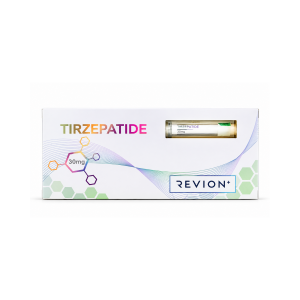
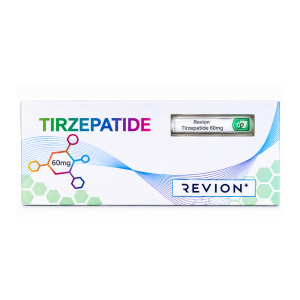
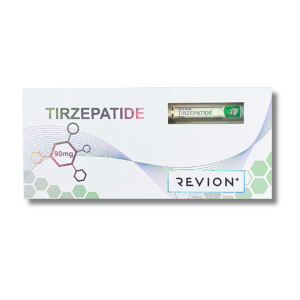
Third-Party Lab Testing & Certificates of Analysis
The Science of Verification: HPLC and Mass Spectrometry
Validating a peptide’s molecular structure requires advanced analytical chemistry. We mandate two distinct forms of testing for every batch to ensure absolute precision:
High-Performance Liquid Chromatography (HPLC): This process separates the peptide mixture into its individual chemical components under high pressure. It is used to determine the exact purity percentage of the compound by identifying any impurities, degraded peptide bonds, or manufacturing byproducts. We require a minimum purity threshold of 99%.
Mass Spectrometry (MS): This technique measures the mass-to-charge ratio of ions. It is utilized to verify the exact molecular weight and amino acid sequence of the peptide. If the molecular weight on the test does not perfectly match the established molecular weight of the peptide (e.g., Retatrutide or Tirzepatide), the batch is immediately destroyed.
Why Independent Lab Testing is Non-Negotiable
⚠️ Research Notice: All testing documentation and protocols described on this page relate exclusively to compounds sold for in-vitro research and laboratory purposes. Retatrutide Pen does not supply products for human consumption.
How to Read a Certificate of Analysis (COA)
When a batch passes testing, the independent laboratory issues a Certificate of Analysis (COA). We provide these documents transparently to researchers. Here is a breakdown of the critical data points you should look for on our COAs:
| Data Point on COA | What It Measures | Clinical Significance for Researchers |
|---|---|---|
| Testing Facility Name | Independence | Confirms the test was conducted by an unbiased, third-party laboratory, not in-house. |
| Batch / Lot Number | Traceability | Ensures the test directly corresponds to the specific vial or pen you are purchasing. |
| HPLC Purity % | Contaminant Level | Must be >99%. Guarantees the absence of harmful heavy metals or synthesis byproducts. |
| Mass Spec Result | Structural Identity | Confirms the exact peptide structure. Prevents mislabeling or compound substitution. |
1. Verify the Batch Number
2. Check the HPLC Chromatogram
- One dominant peak representing the target peptide. This peak should account for ≥99% of the total area under the curve.
- Minimal or no secondary peaks. Secondary peaks indicate impurities such as truncation sequences or deletion products.
- A clean baseline. A noisy or elevated baseline can indicate residual solvents or contaminants.
3. Confirm the Mass Spectrometry Result
4. Review the Purity Percentage
5. Check the Testing Laboratory Details
6. Verify the Date and Expiry
7. Look for the Analyst Signature
Disclaimer: Our products and the corresponding analytical tests are strictly for independent laboratory research and in vitro studies unless prescribed by a licensed medical professional.
Our Five-Stage Verification Protocol
Stage 1: HPLC Purity Analysis
- The percentage of the target peptide relative to impurities
- The presence of synthetic byproducts (deletion sequences, truncation sequences)
- The presence of residual solvents from the synthesis process
- Batch-to-batch consistency
Stage 2: Mass Spectrometry (MS) Verification
- Confirmation that the amino acid sequence is correct
- Verification of the exact molecular weight (e.g., Retatrutide: ~4113.8 g/mol)
- Detection of oxidation, deamidation, or other post-translational modifications
- Identification of any unexpected molecular species
Stage 3: Sterility Testing
- Absence of aerobic bacteria
- Absence of anaerobic bacteria
- Absence of fungal contamination (yeasts and moulds)
Stage 4: Endotoxin Screening
- Concentration of bacterial endotoxins in the sample
- Whether endotoxin levels fall within acceptable research thresholds
Stage 5: Visual & Physical Inspection
- Vial/packaging integrity (no cracks, chips, or seal breaches)
- Lyophilised cake appearance (should be a uniform white to off-white cake)
- Label accuracy (compound name, concentration, batch number, expiry)
- Tamper-evidence verification
Why We Don’t Trust Manufacturer COAs Alone
Verification Level | Issued By | Independent? | Our Policy |
|---|---|---|---|
Manufacturer COA | Peptide synthesis lab | ❌ No (conflict of interest) | Reviewed but not relied upon |
Independent Third-Party COA | ISO 17025 accredited lab | ✅ Yes | Governs acceptance/rejection |
In-House Visual Inspection | Retatrutide Pen QA team | ✅ Yes | Final pre-dispatch check |
Batch Tracking & Full Traceability
- The manufacturer’s production record
- The independent laboratory’s test report
- The HPLC chromatogram and Mass Spectrometry data
- The date of receipt at our UK warehouse
- The date of dispatch to the customer
Our Testing Standards & Partnerships
- USP (United States Pharmacopeia) guidelines for peptide analysis
- EP (European Pharmacopoeia) monographs for peptide purity
- ICH Q2(R1) guidelines for analytical method validation
Our Quality Control Guarantee
We operate under a strict “test-first, sell-second” philosophy.
When a new batch of peptides arrives from our synthesis facility, it is immediately quarantined. A random sample is extracted and sent blindly to a third-party analytical lab. Only when the resulting COA confirms the required >99% purity and correct molecular sequence is the batch released to our domestic fulfillment centers. If a batch tests at 98.9% or displays any structural anomalies, the entire lot is incinerated.
This rigorous quality control pipeline ensures that whether you are conducting baseline metabolic studies or advanced longitudinal research, you are utilizing the finest clinical-grade compounds available.
Frequently Asked Questions (FAQ)
In-house testing presents a conflict of interest, as the manufacturer has a financial incentive for the product to pass. We use independent, ISO 17025-accredited analytical laboratories with no financial relationship to the peptide manufacturer, ensuring the data is 100% objective, accurate, and trustworthy. Testing is conducted on a strict batch-by-batch basis. We do not rely on historical data or random sampling for core metrics. Every single new batch that enters our UK warehouse must pass independent HPLC, Mass Spectrometry, sterility, and endotoxin testing before it is listed for sale. (Amino Acid Analysis is performed on a random sampling basis, approximately 1 in 10 batches, as an additional quality control measure).
Yes. We believe total transparency is non-negotiable. Every product page includes a downloadable, unredacted COA for our current inventory. We encourage all researchers to review the HPLC chromatogram, Mass Spectrometry results, and purity percentage before placing an order. All retatrutide products, as well as ancillary peptides like tirzepatide, semaglutide, BPC-157, and tesofensine, are subject to this same five-stage independent verification protocol. If you require a specific lot number’s COA for your laboratory records, our support team can provide the official documentation upon request.
- HPLC (High-Performance Liquid Chromatography) separates the components of a mixture to identify the target compound and quantify impurities (e.g., truncation sequences, deletion products, residual solvents). Our products meet ≥99% HPLC purity, meaning at least 99% of the sample consists of the correct peptide relative to detected impurities.
- Mass Spectrometry measures the mass-to-charge ratio of ionized molecules to confirm the exact molecular weight and verify that the amino acid sequence matches the target compound (e.g., retatrutide’s expected molecular weight is ~4113.8 g/mol).
- Purity vs. Content: HPLC purity measures the target peptide relative to impurities. Peptide content (or net peptide content) measures the actual amount of peptide present after accounting for water, counter-ions, and residual salts. A product can have 99% HPLC purity but only 85% peptide content. Our COAs clearly report both values.
If a batch fails any of our five verification stages, it is immediately quarantined and rejected. The batch is returned to the manufacturer with a detailed non-conformance report. The product is never listed for sale, ensuring no researcher is ever exposed to a substandard batch.
Each COA includes a unique batch identification number, the name and ISO accreditation number of the testing laboratory, the date of testing, and the analyst’s signature. You can cross-reference the batch ID on the COA with the batch ID printed on your product packaging. If you have any concerns about authenticity, please contact our quality assurance team.
Endotoxins are toxic components of Gram-negative bacterial cell walls. Even if a product passes sterility testing (indicating no live bacteria), residual endotoxins from the manufacturing process can remain. Endotoxin testing via the LAL (Limulus Amebocyte Lysate) assay ensures that endotoxin levels are below 0.5 EU/mg, which is critical for maintaining the integrity of cell-based research assays.
While third-party testing guarantees the purity of the peptide when it leaves our facility, peptides can degrade if exposed to extreme heat. To prevent this, we utilize advanced, insulated cold-chain logistics and expedited domestic shipping (such as our UK Store Hub) to preserve the structural integrity of the tested peptide until it safely reaches your refrigerator.
Yes. For institutional clients or researchers with specific analytical requirements, we can arrange additional testing beyond our standard five-stage protocol. This may include additional HPLC runs under different mobile phase conditions, NMR spectroscopy, or extended stability testing. Please contact our scientific liaison team to discuss bespoke analytical requirements.