
What is Retatrutide? The Science of the Triple-Agonist Peptide
A Complete Guide to the Triple-Agonist Peptide
Retatrutide is an advanced, investigational triple-agonist peptide designed to simultaneously activate three distinct metabolic pathways: the GLP-1, GIP, and GCGR receptors. Currently undergoing extensive clinical trials, this breakthrough compound is being heavily researched for its unprecedented potential in regulating lipid metabolism, glycemic control, and overall energy expenditure.
Welcome to our comprehensive knowledge base. As the scientific community rapidly evolves, keeping pace with the latest metabolic breakthroughs is essential for researchers and clinical analysts. Over the past decade, the landscape of metabolic therapies has shifted from single-receptor targets to multi-receptor agonists, seeking higher efficacy and better patient tolerance.
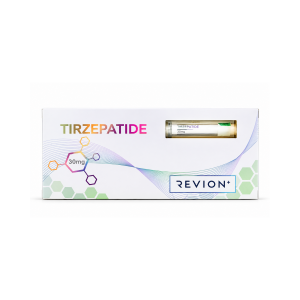
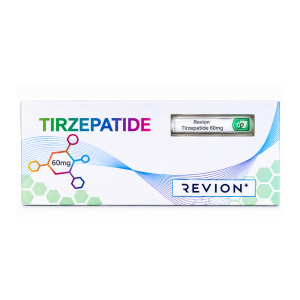
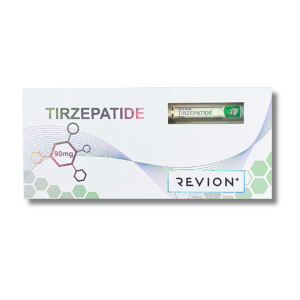
What is Retatrutide? – The Evolution of Incretin Research
⚠️ Research Notice: The following information is provided for educational and scientific context only. Retatrutide is an investigational research compound. It is not approved by the MHRA or FDA for human consumption, and products sold on Retatrutide Pen are strictly for in-vitro laboratory use.
Mechanism of Action: The Power of Three Receptors
To understand why this peptide is generating so much focus in the research community, you must understand its unique mechanism of action. While previous generations of peptides targeted one or two receptors, Retatrutide is a “tri-agonist.”
It binds to and activates three specific hormone receptors in the human body, creating a highly synergistic effect on metabolic function:
GLP-1 (Glucagon-like Peptide-1): This receptor slows gastric emptying and signals satiety (fullness) to the brain, drastically reducing caloric intake while stimulating glucose-dependent insulin secretion.
GIP (Glucose-dependent Insulinotropic Polypeptide): GIP enhances the effects of GLP-1, further improving insulin sensitivity and regulating fat accumulation, while clinically mitigating the nausea often associated with GLP-1 activation alone.
GCGR (Glucagon Receptor): This is the key differentiator. Activation of the glucagon receptor stimulates hepatic lipid metabolism (clearing fat from the liver) and significantly increases basal metabolic rate and energy expenditure.
Receptor Target | Full Name | Primary Biological Function | Retatrutide’s Role in Research Models |
|---|---|---|---|
GLP-1 | Glucagon-Like Peptide-1 | Stimulates glucose-dependent insulin secretion; delays gastric emptying; regulates central appetite signalling. | Mimics native incretin response; studied for its effects on cellular glucose uptake and satiety pathway modulation. |
GIP | Glucose-Dependent Insulinotropic Polypeptide | Enhances insulin sensitivity; influences lipid metabolism and adipose (fat) tissue storage. | Synergises with GLP-1 to improve lipid profiles and mitigate the nausea often associated with pure GLP-1 agonism in preclinical models. |
GCG | Glucagon | Stimulates hepatic (liver) glucose production; increases basal energy expenditure; promotes lipid lowering. | The differentiator. Drives energy expenditure and hepatic fat reduction, a pathway entirely absent in single and dual agonists. |
Peptide Comparison: The Evolution of Agonists
To contextualize Retatrutide’s place in clinical research, it is helpful to compare it against the other leading metabolic peptides currently on the market or in clinical trials.
| Peptide Name | Agonist Type | Receptors Targeted | Primary Clinical Function |
|---|---|---|---|
| Semaglutide | Single-Agonist | GLP-1 | Appetite suppression and glycemic control. |
| Tirzepatide | Dual-Agonist | GLP-1, GIP | Enhanced glycemic control and regulated fat storage. |
| Retatrutide | Triple-Agonist | GLP-1, GIP, GCGR | Maximum appetite suppression, increased energy expenditure, and liver fat reduction. |
Pharmacokinetics & Molecular Profile
Pharmacokinetic Parameter | Retatrutide (LY3437943) Data |
|---|---|
Molecular Formula | C₁₈₇H₂₉₅N₅₃O₅₈ |
Molecular Weight | ~4113.8 g/mol |
Amino Acid Sequence | 39-amino acid synthetic peptide |
Half-Life (t½) | Approximately 6 days (in human clinical models) |
Receptor Affinity (IC50) | GLP-1: 0.06 nM | GIP: 0.24 nM | GCG: 1.2 nM |
Administration Route (Research) | Subcutaneous (SC) injection |
Storage Requirements | Lyophilised: -20°C | Reconstituted: 2°C to 8°C |
Retatrutide vs. Tirzepatide vs. Semaglutide
Feature | Semaglutide (1st Gen) | Tirzepatide (2nd Gen) | Retatrutide (3rd Gen) |
|---|---|---|---|
Receptor Targets | Single Agonist (GLP-1) | Dual Agonist (GLP-1 / GIP) | Triple Agonist (GLP-1 / GIP / GCG) |
Primary Mechanism | Insulin secretion, delayed gastric emptying | Insulin secretion, lipid metabolism | Insulin, lipid, + hepatic energy expenditure |
Half-Life | ~7 Days | ~5 Days | ~6 Days |
Clinical Status | FDA/MHRA Approved | FDA/MHRA Approved | Phase 3 Clinical Trials |
Research Format | Vials / Pre-filled Pens | Vials / Pre-filled Pens | Pre-filled Research Pens & Vials |
Unique Research Value | Baseline single-pathway assays | Dual-pathway synergism | Liver fat reduction & energy expenditure |
Clinical Trial Context: The TRIUMPH Phase 2 Data
- Unprecedented Adipose Reduction: In Phase 2 models, subjects administered the highest doses of retatrutide demonstrated reductions in body mass that exceeded those historically seen with bariatric surgery models, largely driven by the GCG receptor’s effect on energy expenditure.
- Hepatic Steatosis (Liver Fat): One of the most significant findings was the near-complete resolution of liver fat in pre-diabetic models. The glucagon receptor’s role in hepatic lipid metabolism makes retatrutide a primary compound of interest for MASH (Metabolic dysfunction-Associated Steatohepatitis) research.
- Cardiovascular & Renal Markers: Early data indicated improvements in blood pressure, triglycerides, and uric acid levels, prompting the ongoing Phase 3 TRIUMPH-Outcomes trials.
In-Vitro & Preclinical Research Applications
- Hepatocyte Assays: Studying the effect of GCG receptor agonism on lipid droplet accumulation in human liver cell lines.
- Adipocyte Differentiation: Observing how the GIP/GLP-1 combination influences the browning of white adipose tissue in murine models.
- Receptor Desensitisation Studies: Analysing how simultaneous triple-pathway activation affects GPCR downregulation compared to single-pathway chronic exposure.
- Peptide Stability Assays: Testing the degradation rates of the 39-amino-acid sequence in various aqueous and bacteriostatic solutions.
Current Clinical Research & Efficacy
Disclaimer: Retatrutide is currently an investigational compound. The information below is based on published clinical trial data and is for educational and research purposes only.
In Phase 2 clinical trials, researchers observed dose-dependent efficacy that surpassed historical benchmarks set by dual-agonists. Subjects utilizing the highest tested titration schedules (up to 12mg weekly) demonstrated profound metabolic shifts over a 48-week period.
The inclusion of the GCGR (Glucagon) receptor appears to play a critical role in addressing non-alcoholic fatty liver disease (NAFLD), with researchers noting rapid normalization of liver fat alongside significant overall body mass reduction. Because of this tri-receptor synergy, titration protocols in research settings require careful monitoring to observe cardiovascular responses and manage the rapid metabolic shifts.
Frequently Asked Questions (FAQ)
No. Retatrutide is an unapproved, investigational research chemical currently undergoing Phase 3 clinical trials globally. It is not approved by the FDA (USA), MHRA (UK), or EMA (Europe) for human prescription, weight loss, or the treatment of any medical condition. Products sold by Retatrutide Pen are strictly for in-vitro laboratory and analytical purposes.
In clinical settings, this peptide is primarily being researched for its efficacy in treating severe obesity, type 2 diabetes mellitus, metabolic syndrome, and non-alcoholic fatty liver disease (NAFLD).
Tirzepatide is a dual-agonist targeting only the GLP-1 and GIP receptors. Retatrutide is a “tri-agonist” (colloquially referred to in research as “GGG”) because it targets three distinct receptors: GLP-1, GIP, and the Glucagon receptor (GCGR). This third receptor is responsible for increasing energy expenditure and clearing hepatic fat.
Historically, glucagon was avoided in metabolic research due to its potential to raise blood glucose and blood pressure. However, retatrutide is engineered to balance GCG agonism with GLP-1 and GIP. In research models, this specific ratio allows the liver to burn fat (energy expenditure) while the GLP-1 pathway prevents glucose spikes, resulting in a net positive metabolic effect.
Retatrutide is a synthetic peptide consisting of a 39-amino-acid sequence (not a small molecule). As a synthetic analogue, it is specifically engineered to resist degradation by the enzyme DPP-4 (dipeptidyl peptidase-4), which rapidly destroys native GLP-1 and GIP in the bloodstream. Because it is a peptide susceptible to gastrointestinal enzymatic degradation, research administration protocols utilise subcutaneous injection rather than oral delivery.
Pharmacokinetic studies indicate a half-life of approximately 6 days. This structural modification (DPP-4 resistance) supports a once-weekly dosing protocol in clinical models, allowing researchers to maintain steady-state receptor occupancy in longitudinal studies.
The molecular weight is approximately 4113.8 g/mol. This is a critical metric for researchers calculating molarity and molar concentrations for in-vitro cellular assays.
In preclinical and Phase 2 models, researchers noted that while total mass decreased significantly, the ratio of fat mass loss to lean mass loss was highly favourable compared to caloric restriction alone. The GCG pathway is currently being studied for its potential to preserve lean tissue during rapid metabolic shifts.
For long-term archival stability (up to 24 months), lyophilised retatrutide powder should be stored in a laboratory freezer at -20°C. Once reconstituted with bacteriostatic water, it must be stored in a refrigerator at 2°C to 8°C and used within 14 to 30 days, depending on the specific research protocol.
Retatrutide (LY3437943) was originally discovered and developed by Eli Lilly and Company. Retatrutide Pen is a UK-based supplier of independent, HPLC-verified research-grade equivalents for independent laboratory analysis and in-vitro study. Every batch is supplied with an unredacted Certificate of Analysis (COA) confirming ≥99% purity and correct amino acid sequencing.
→ View Our Lab Testing Methodology