
Retatrutide Dosage & Usage: Clinical Administration Guide
The standard retatrutide dosage pen protocol begins with a 2mg subcutaneous injection administered once weekly for four weeks to assess subject tolerance. Following this initiation phase, researchers typically titrate the dose upwards in 2mg increments every four weeks, up to a maximum clinical maintenance dose of 12mg weekly.
Welcome to the comprehensive administration guide for Retatrutide. Because this peptide is a highly potent triple-agonist (targeting GLP-1, GIP, and GCGR receptors), strict adherence to established clinical dosing protocols is critical. Proper administration ensures optimal metabolic response while actively mitigating gastrointestinal adverse effects.
Our commitment to E-E-A-T (Experience, Expertise, Authoritativeness, and Trustworthiness) dictates that we provide precise, data-driven frameworks utilized in modern clinical trials. Below, you will find the standard titration schedules and step-by-step instructions for utilizing a pre-filled or pre-measured peptide pen.
Disclaimer: The dosage protocols outlined below are based on published Phase 2 and Phase 3 clinical trial data. Our products are sold strictly for independent laboratory research unless prescribed by a licensed medical professional. Always consult a physician before beginning any peptide regimen.
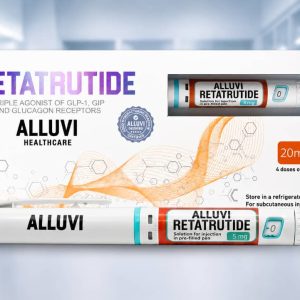
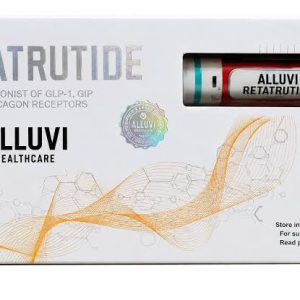
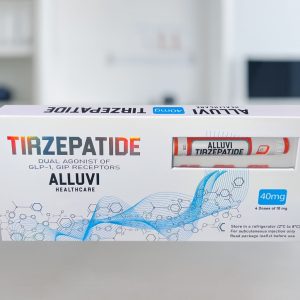
How to Use a Retatrutide 40mg Pen: Laboratory Protocol & Titration Guide
Introduction: Precision in Peptide Administration
⚠️ Research Notice: The following protocols are provided for educational and scientific context regarding in-vivo research models. Retatrutide is an investigational compound. Products sold by Retatrutide Pen are strictly for laboratory and research purposes.
The Clinical Titration Schedule
In metabolic peptide research, “titration” refers to the process of gradually increasing a dose over time. Because Retatrutide engages three distinct metabolic receptors simultaneously, introducing a high dose immediately can shock the gastrointestinal system, leading to severe nausea and lethargy.
To prevent this, clinical trials employ a highly structured dose-escalation schedule. Researchers typically utilize a retatrutide 40mg injection pen kit or similar multi-dose formats to easily measure and administer these escalating weekly doses.
Understanding the Retatrutide 40mg Pen Mechanism
Pen Component | Function | Researcher Action |
|---|---|---|
Dose Dial | Selects the volume/increment to be dispensed. | Twist to the required mg/unit marker. |
Cartridge Window | Allows visual inspection of the peptide solution. | Check for clarity, particulates, or discoloration. |
Plunger/Ram | Pushes the stopper to expel the liquid. | Depresses automatically when the needle is inserted and the button is pushed. |
Needle Hub | Connects the sterile single-use needle to the cartridge. | Screw on before use; remove and dispose of after. |
Standard 16-Week Dose Escalation Protocol
| Phase | Duration | Weekly Dosage | Primary Clinical Objective |
|---|---|---|---|
| Initiation (Month 1) | Weeks 1 – 4 | 2.0 mg | Assess baseline tolerance and initiate gastric slowing. |
| Escalation 1 (Month 2) | Weeks 5 – 8 | 4.0 mg | Increase receptor activation while monitoring for side effects. |
| Escalation 2 (Month 3) | Weeks 9 – 12 | 6.0 mg | Achieve therapeutic threshold for significant hepatic fat reduction. |
| Escalation 3 (Month 4) | Weeks 13 – 16 | 9.0 mg | Push toward maximum metabolic and energy expenditure. |
| Maintenance | Weeks 17+ | 9.0 mg to 12.0 mg | Sustain metabolic state for longitudinal observation. |
How to Use a Retatrutide 40mg Pen
If you are researching how to use retatrutide 40mg pen kits, the procedure mirrors standard subcutaneous injection protocols used for insulin or other GLP-1 medications. Subcutaneous delivery ensures the peptide is absorbed steadily into the bloodstream via the fatty tissue just beneath the skin.
Follow these strict clinical steps for administration:
Preparation and Inspection: Remove the pen from the refrigerator (2°C to 8°C). Inspect the liquid through the viewing window; the peptide solution must be completely clear and colorless. Wash your hands thoroughly with antibacterial soap.
Site Selection & Sterilization: Choose an injection site with adequate subcutaneous fat. The most common clinical sites are the lower abdomen (keeping at least two inches away from the navel) or the upper thigh. Vigorously wipe the target area with a sterile alcohol swab and allow it to air dry.
Setting the Dose: Depending on your specific pen model, turn the dosage dial at the top of the pen until it aligns with your required clinical dose (e.g., 2mg or 4mg).
Administration: Pinch the sterilized skin to create a firm surface. Insert the needle straight in at a 90-degree angle. Press the injection button down fully and hold it for 5 to 10 seconds to ensure the entire dose of the peptide has been dispensed into the tissue.
Safe Disposal: Withdraw the needle straight out. Carefully cap the needle and dispose of it immediately in an approved biohazard sharps container. Return the pen to the refrigerator.
Injection Site Rotation Strategy
- Abdomen: At least 2 inches away from the umbilicus. (Fastest, most consistent absorption).
- Anterior Thigh: The front and outer middle third of the thigh.
- Posterior Upper Arm: The back of the upper arm (requires a secondary assistant in some models).
Peptide Storage & Stability Guidelines
State | Storage Temperature | Maximum Stability | Critical Rules |
|---|---|---|---|
Pre-Filled Pen (Unused) | 2°C to 8°C (Fridge) | Up to 12 months (check COA) | NEVER FREEZE. Keep in original carton to protect from UV light. |
Pre-Filled Pen (In-Use) | 2°C to 8°C (Fridge) | 30 Days | Do not store with the needle attached (prevents air ingress and contamination). |
Lyophilised Vial (Powder) | -20°C (Freezer) | Up to 24 months | Protect from moisture. |
Reconstituted Vial | 2°C to 8°C (Fridge) | 14 – 30 Days | Must be mixed with bacteriostatic water. |
Troubleshooting Common Pen Issues
Issue | Probable Cause | Laboratory Solution |
|---|---|---|
Dial will not turn | Pen is empty, or needle is not attached. | Check cartridge volume. Ensure needle is screwed on tightly before dialing. |
No liquid appears during prime | Needle is blocked or attached incorrectly. | Remove needle, attach a fresh sterile needle, and repeat the priming step. |
Air bubbles in cartridge | Normal in multi-dose pens; temperature shifts. | Tap the cartridge gently to move bubbles to the top and prime them out via the air shot. |
Peptide leaks from needle post-dose | Needle removed too quickly. | Hold the injection button down and keep the needle in the tissue for a full 10 seconds before withdrawing. |
Dial turned past the desired dose | Mechanical over-rotation. | Simply turn the dial backwards (counter-clockwise) to the correct increment. |
Frequently Asked Questions (FAQ)
Due to retatrutide’s extended half-life of approximately 6 days, standard research protocols dictate a once-weekly administration. This maintains steady-state receptor occupancy without causing excessive peak-and-trough fluctuations in the model’s metabolic pathways.
The lifespan of the pen depends entirely on the titration phase. If a model is in the Phase 1 Initiation stage (2mg per week), a 40mg pen will last for 20 weeks. If the model is in the Phase 3 Escalation stage (8mg per week), the pen will last for 5 weeks.
If a dose is missed, administer it as soon as possible only if the next scheduled dose is more than 3 to 4 days (72–96 hours) away. If the next dose is less than 72 hours away, skip the missed dose entirely and resume the normal weekly schedule. Never double the dose to compensate for a missed week, as this increases the risk of adverse effects.
Yes, the pen must be stored in a refrigerator between 2°C to 8°C (36°F to 46°F) to maintain the stability of the delicate peptide chains. An in-use pen can be kept at room temperature (below 25°C) for a short period (e.g., 15–30 minutes to take the chill off before administration). While some formulations allow an in-use pen to be kept at room temperature for up to 21–28 days, consistent refrigeration is always the safest clinical practice to prevent degradation. Prolonged exposure to heat will denature the peptide.
Priming (the “air shot”) ensures that the mechanical internal screw is fully engaged with the plunger and that the needle is completely filled with the peptide solution rather than air. Failing to prime can result in an under-delivered research dose, skewing your data.
No. Shaking a peptide pen can cause the delicate amino acid chains to shear or denature, and it will introduce micro-bubbles into the cartridge that make accurate dialing difficult. The solution should be gently inspected, not agitated.
No. Reusing needles dulls the microscopic silicone coating and the needle tip, which increases tissue trauma. More importantly, it introduces a severe risk of bacterial contamination into the multi-dose cartridge, which can ruin the entire batch of peptide. A fresh, sterile needle must be used for every single protocol administration.
Retatrutide Pen supplies all necessary ancillary equipment, including ultra-fine sterile needles, 70% isopropyl alcohol prep pads, and sharps disposal containers.
No. Bypassing the initiation phase is strongly discouraged in all clinical protocols. The GLP-1 and GCGR receptors require time to acclimate to the peptide. Starting at a higher dose (such as 4mg or 6mg) dramatically increases the risk of severe gastrointestinal distress, including acute nausea and vomiting.
Yes. Repeatedly injecting into the exact same location can cause lipohypertrophy—a buildup of hard scar tissue under the skin. This tissue can prevent the peptide from absorbing properly. Researchers should alternate sides of the abdomen or switch between the abdomen and thighs each week.
⚠️ Important Legal Notice: All products sold on Retatrutide Pen are strictly for in-vitro research and laboratory use only. They are not intended for human or veterinary consumption, diagnosis, or treatment of any medical condition. By purchasing from this website, you confirm that you are a qualified researcher or affiliated with a licensed research institution. Retatrutide Pen accepts no liability for misuse of products. Please read our full Research Disclaimer and Terms & Conditions before ordering.